After helping millions of homeowners find the right fit for their HVAC systems, we have learned that choosing Carrier-compatible filters does not have to be complicated. The key lies in matching three critical factors: your system's exact dimensions, the right MERV rating for your household needs, and a replacement schedule that keeps your equipment running efficiently. This guide delivers the practical insights we have gained from over a decade of air filtration expertise to help you make confident, informed decisions.
TL;DR Quick Answers
Carrier Air Filters
Carrier HVAC systems use standard filter sizes available from multiple manufacturers. To choose the right filter:
1.Match your exact dimensions (check existing filter or measure slot)
2.Select MERV 8 for basic needs, MERV 11 for pets, or MERV 13 for allergies
3.Replace 1-inch filters every 30 to 90 days or 4-inch filters every 6 to 12 months
4.Choose quality pleated filters over basic fiberglass for better performance
Top Takeaways
• Exact sizing matters most. Carrier systems accept standard filter sizes. Verify dimensions before purchasing.
• MERV 11 suits most homes. Balances strong filtration with proper airflow for typical residential systems.
• Regular replacement protects your investment. Dirty filters waste energy and strain equipment.
• Quality construction delivers value. Pleated synthetic media outperforms basic fiberglass options.
• Consider 4-inch filters when possible. Greater capacity means better performance and fewer changes.
Understanding Carrier Filter Specifications
Carrier HVAC systems accept standard-sized filters that are widely available from quality manufacturers. The most important specification is your filter's exact dimensions, which typically appear on the filter frame itself. Common Carrier-compatible sizes include 16x25x1, 20x20x1, 20x25x1, and 20x25x4 for systems with deeper filter cabinets.
MERV Ratings Explained
MERV (Minimum Efficiency Reporting Value) ratings range from 1 to 16 for residential applications. For most Carrier systems:
• MERV 8: Captures dust, pollen, and mold spores. Ideal for homes without allergy concerns.
• MERV 11: Traps pet dander, dust mites, and smog particles. Recommended for households with pets.
• MERV 13: Filters bacteria, smoke, and microscopic allergens. Best for allergy and asthma sufferers.
Replacement Frequency Matters
Standard 1-inch filters require replacement every 30 to 90 days depending on household conditions. Homes with pets, allergies, or high dust levels benefit from monthly changes. Deeper 4-inch filters can last 6 to 12 months while providing superior filtration capacity and improved airflow.
Why Quality Construction Matters
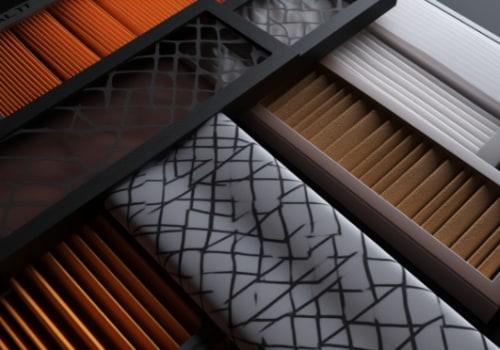
Premium filters feature electrostatically charged synthetic media that attracts and holds particles more effectively than basic fiberglass options. Look for filters with reinforced frames that maintain their shape throughout the filter's lifespan, preventing air bypass that reduces filtration effectiveness.

"After manufacturing millions of filters and working directly with homeowners across the country, we have seen firsthand how the right filter choice transforms indoor air quality. The difference between a properly matched MERV 11 or MERV 13 filter and a basic fiberglass option is not just measurable in lab tests. Families tell us they notice reduced allergy symptoms, less dust on surfaces, and HVAC systems that run more efficiently for years longer."
Essential Resources on Carrier Air Filters
Protect your investment and your family's health with these trusted resources. We have compiled the most valuable guides to help you make confident decisions about your Carrier-compatible filter selection.
1. EPA Guide to Indoor Air Quality
Understand why indoor air can be 2 to 5 times more polluted than outdoor air and how proper filtration protects your family.
Source: EPA Indoor Air Quality
2. ASHRAE MERV Rating Standards
Learn the official industry standards for filter efficiency ratings and what each MERV level actually captures.
Source: ASHRAE Filtration Resources
3. Department of Energy HVAC Maintenance Guide
Discover how regular filter changes can reduce your HVAC energy consumption by 5 to 15 percent annually.
Source: Energy.gov AC Maintenance
4. Filterbuy Filter Size Finder
Find your exact Carrier-compatible filter size with our comprehensive database of over 600 filter dimensions.
Source: Filterbuy Filter Measurement Guide
5. Filterbuy MERV Rating Comparison Guide
Compare filtration levels side-by-side and determine which MERV rating matches your household needs.
Source: Filterbuy MERV Ratings Guide
6. American Lung Association Indoor Air Quality Guide
Access expert health guidance on reducing indoor pollutants and protecting respiratory wellness at home.
Source: American Lung Association Indoor Air
7. Filterbuy Subscription Service
Never forget a filter change again. Set up automatic delivery on your schedule with savings on every order.
Source: Filterbuy Subscription
Supporting Statistics
Our decade-plus experience in air filtration aligns with what federal agencies have documented. These statistics reinforce why proper filter selection matters for every Carrier system owner:
• Indoor Air Pollution Reality: The EPA reports indoor air pollution levels can reach 2 to 5 times higher than outdoor concentrations. In our experience, upgrading from basic filters to MERV 11 or higher produces noticeable improvements in air clarity within days.
Source: EPA Report on Environment - Indoor Air Quality
• Energy Savings Potential: According to the Department of Energy, clogged filters can increase HVAC energy consumption by up to 15 percent. Homeowners who maintain regular replacement schedules consistently report lower utility bills.
Source: Energy.gov - Maintaining Your Air Conditioner
• Time Spent Indoors: EPA research shows Americans spend approximately 90 percent of their time indoors. This makes your home's filtration system one of your most important health investments.
Source: EPA Indoor Air Quality Overview
Final Thoughts and Opinion
After helping millions of homeowners protect their indoor air, we have developed clear convictions about Carrier filter selection:
• Skip the cheapest options. Basic fiberglass filters may cost less upfront, but they capture far fewer particles and require more frequent replacement. The long-term value of quality pleated filters pays for itself.
• MERV 11 hits the sweet spot for most homes. Unless you have specific respiratory concerns requiring MERV 13, an 11-rated filter delivers excellent protection without restricting airflow.
• Consider 4-inch filters if your system accommodates them. The deeper media holds more particles, maintains airflow better, and requires less frequent changes.
• Set up a reminder system. The most common filter mistake is simply forgetting to change it. Subscription services eliminate this problem entirely.
Your Carrier system represents a significant investment. Protecting it with the right filter is one of the simplest and most cost-effective maintenance decisions you can make.
FAQ on "Carrier Air Filters"
Q: What size filter does my Carrier system need?
A: Check your current filter frame for printed dimensions or measure the filter slot directly. Carrier systems use standard sizes, most commonly 16x25x1, 20x20x1, 20x25x1, and 20x25x4. Always match the exact dimensions for proper fit and performance.
Q: Can I use non-Carrier brand filters in my Carrier HVAC system?
A: Yes. Carrier systems accept any filter matching your required dimensions and MERV specifications. Quality aftermarket filters often deliver equal or better performance at lower cost. Focus on proper sizing and filtration rating rather than brand name.
Q: What MERV rating should I choose for my Carrier system?
A: For most households, MERV 8 to 11 provides excellent filtration without restricting airflow. Choose MERV 8 for basic protection, MERV 11 for homes with pets, and MERV 13 for allergy or asthma concerns. Higher ratings may require verification that your system can handle the airflow reduction.
Q: How often should I replace my Carrier air filter?
A: Standard 1-inch filters need replacement every 30 to 90 days. Replace monthly if you have pets, allergies, or run your system frequently. Four-inch filters typically last 6 to 12 months. Check filters monthly and replace when visibly dirty regardless of time elapsed.
Q: Will a higher MERV filter damage my Carrier system?
A: Most Carrier residential systems safely handle filters up to MERV 13. Higher ratings increase airflow resistance, potentially straining your blower motor. Consult your system specifications or an HVAC professional before exceeding MERV 13. Maintain regular replacement schedules since dirty filters of any rating restrict airflow.
Find Your Perfect Carrier-Compatible Filter Today
Ready to protect your Carrier system with the right filter? Browse our complete selection of Carrier-compatible air filters in every size and MERV rating, manufactured in the USA and shipped directly to your door. Shop now and breathe easier knowing your home's air filter quality is in good hands.
Learn more about HVAC Care from one of our HVAC solutions branches…
Filterbuy HVAC Solutions - Miami FL - Air Conditioning Service
1300 S Miami Ave Apt 4806 Miami FL 33130
(305) 306-5027